
Different Types of Arrhythmia and Their Treatment Options
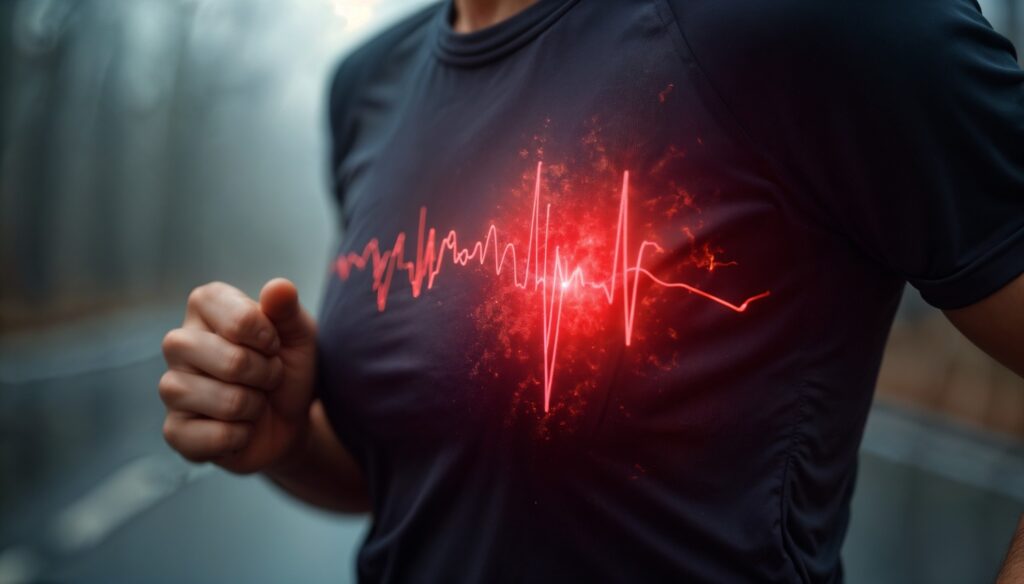
Understanding your heart’s rhythm is essential to recognizing when something is wrong. Arrhythmia occurs when the heartbeat becomes irregular, too fast, too slow, or erratic.
At Dr. Shaloob’s cardiology clinic in Dubai, we focus on diagnosing and treating the many types of arrhythmia with precision and care.
What is Arrhythmia?
Arrhythmia describes any disruption in the heart’s electrical impulses that control the heartbeat. This disruption can impact how well the heart pumps blood, sometimes causing symptoms such as palpitations, dizziness, or chest discomfort.
What are the 4 types of arrhythmias?
Arrhythmias are generally classified by their origin within the heart and the rhythm irregularity they cause. The main groups include:
| Type of Arrhythmia | Description | Common Symptoms | Treatment Options |
| Premature Beats | Early heartbeats from atria or ventricles | Skipped beats, fluttering | Often no treatment; lifestyle changes or meds if needed |
| Supraventricular Arrhythmias | Fast rhythms from upper heart chambers (atria) | Palpitations, breathlessness | Medication, catheter ablation, cardioversion |
| Ventricular Arrhythmias | Dangerous fast or irregular beats from lower chambers | Dizziness, fainting, cardiac arrest risk | Implantable defibrillator, emergency intervention |
| Bradyarrhythmias | Slow heart rhythms | Fatigue, fainting, weakness | Pacemaker, medication adjustments |
Causes of Arrhythmia
There are multiple causes of arrhythmia, including underlying heart conditions, electrolyte imbalances, stress, medications, and lifestyle factors like caffeine or alcohol consumption. Identifying the causes is important to tailor treatment effectively.
Accurate Diagnosis for Effective Heart Arrhythmia Treatment in Dubai
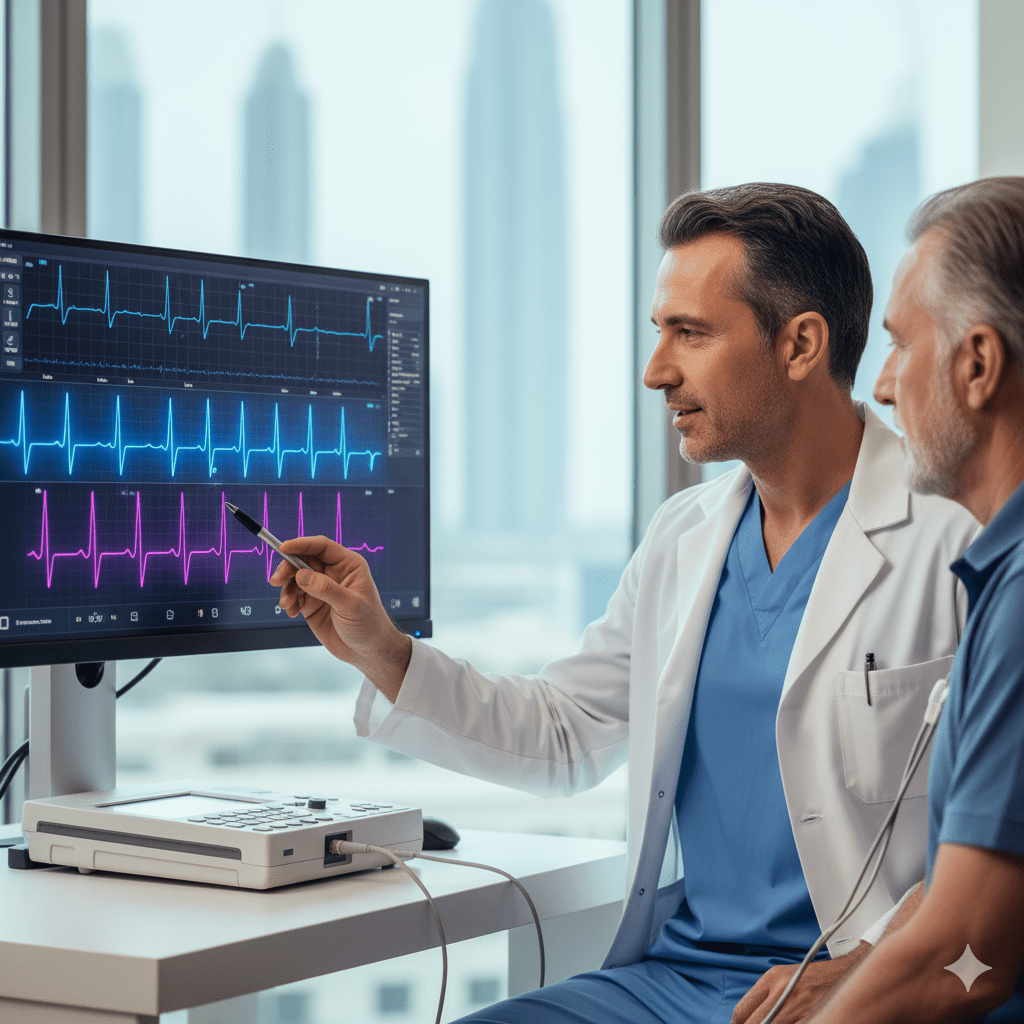
Effective treatment starts with precise diagnosis. Dr. Muhamed Shaloob uses advanced tools to pinpoint your heart rhythm disorder:
- Physical Exam: Checking pulse and heart sounds.
- Electrocardiogram (ECG): Records heart’s electrical activity to detect irregular rhythms like atrial fibrillation or supraventricular tachycardia.
- Holter Monitor: Portable device worn for 24-48 hours to capture intermittent arrhythmias during daily activities.
- 2D Echo & Transesophageal Echo (TEE): Imaging tests that visualize heart structure and function to find underlying causes.
- Ambulatory Blood Pressure Monitoring: Tracks blood pressure over time to assess cardiovascular health.
Comprehensive Treatment for Different Types of Arrhythmia
Treatment for arrhythmia depends on the specific type, severity, and how it affects your health. At Dr. Shaloob’s clinic in Dubai, each care plan is tailored using advanced diagnostics and evidence-based therapies.
Lifestyle Changes for Mild Arrhythmias
For mild or common arrhythmias, simple lifestyle adjustments often help. These include reducing caffeine intake, managing stress, avoiding alcohol, and maintaining a healthy lifestyle.
Medication Management
When medication is necessary, Dr. Shaloob prescribes drugs to regulate heart rate or rhythm, such as:
- Beta-blockers
- Calcium channel blockers
- Antiarrhythmic medications
These medications help control symptoms and prevent arrhythmia progression.
Procedural Interventions for Serious Arrhythmias
More serious arrhythmias like ventricular tachycardia or atrial fibrillation may require procedural treatments:
- Electrical Cardioversion: A safe, controlled electrical shock resets the heart rhythm, often used after medication has been tried.
- Catheter Ablation: A minimally invasive procedure that targets and destroys abnormal electrical pathways causing arrhythmia. This treatment is especially effective for supraventricular and some ventricular arrhythmias and can offer a potential cure.
Device Implantation for Rhythm Support
In cases of slow heartbeats or dangerous pauses, implantable devices may be necessary:
- Pacemakers: Help maintain a steady heart rhythm by sending electrical impulses when the heart beats too slowly.
- Implantable Cardioverter-Defibrillators (ICDs): Continuously monitor heart rhythms and deliver life-saving shocks if dangerous arrhythmias occur.
Meet Your Heart Specialist: Dr. Muhamed Shaloob
Dr. Shaloob provides thorough, evidence-based consultations and trusted second opinions to ensure patients receive the most accurate and personalized cardiac care available.
General Heart Consultation
Routine evaluations to assess symptoms, identify risk factors, and monitor cardiovascular health using the latest diagnostic technology.
Arrhythmia Diagnosis and Treatment
Specialized care in identifying and managing all types of arrhythmia, from common to serious types, with customized treatment plans designed to restore and maintain a healthy heart rhythm.
Preventive Cardiology
Proactive screening and counseling aimed at preventing heart disease or detecting it early, helping you take control of your heart health before issues arise.
Second Opinions
Gain clarity and confidence with expert second opinions on cardiology diagnoses or treatments, empowering you to make informed decisions about your health.
Why Choose Dr. Shaloob for Cardiology Care in Dubai?
- Over 12 years of experience managing a wide range of cardiac conditions, including complex arrhythmias
- Compassionate, patient-centered approach that values your unique health needs
- Access to state-of-the-art diagnostics and continuous heart rhythm monitoring
- Collaborative relationships with leading hospitals and cardiac centers across Dubai
- Trusted by patients seeking the best cardiology care in the UAE
Whether you’re searching for “heart doctor near me” or exploring options at one of the best cardiology hospitals in Dubai, Dr. Shaloob offers care rooted in evidence and tailored to you.
Frequently Asked Questions (FAQs)
What are the most common types of arrhythmia?
Common types of arrhythmia include atrial fibrillation, premature beats, supraventricular tachycardia, and bradyarrhythmias. Each type affects the heart’s rhythm differently and requires specific treatment.
How is arrhythmia diagnosed?
Diagnosis involves an ECG to record the heart’s electrical signals. For intermittent arrhythmias, longer-term monitoring devices such as Holter monitors may be recommended.
Can arrhythmia be cured?
Many arrhythmias can be effectively treated or cured through medication, lifestyle changes, or procedures like catheter ablation, depending on the type and severity.
Are all arrhythmias dangerous?
Not all arrhythmias are serious. Some cause no symptoms and require no treatment, while others—especially ventricular arrhythmias—can be life-threatening and need urgent care.
What causes arrhythmia?
Causes include heart disease, electrolyte imbalances, medications, lifestyle factors such as caffeine and alcohol, and sometimes no clear cause is found.