high blood pressure and hypertension treatment in Dubai
Services
Conditions Treated
- Coronary Artery & Ischemic Heart Disease
- Heart Failure (Left & Right)
- Heart Rhythm Disorders (Arrhythmias)
- Valvular Heart Disease
- Vascular & Circulatory Disorders
- Adult Congenital Heart Conditions
- Lipid & Metabolic Heart Disease
- Inflammatory & Infectious Heart Diseases
- Genetic & Rare Cardiac Syndromes
Vascular and circulatory disorders affect the blood vessels that carry oxygen and nutrients throughout the body—and when these pathways are compromised, serious health risks can follow. Conditions such as hypertension, peripheral artery disease, aortic aneurysm, and pulmonary hypertension can quietly progress without noticeable symptoms until complications arise.
Left untreated, they can cause serious, even life-threatening consequences, including stroke, heart attack, limb loss, or damage to vital organs.
For those seeking trusted hypertension treatment in Dubai and comprehensive care for vascular and circulatory disorders, Dr. Muhamed Shaloob—a leading consultant cardiologist—offers advanced diagnostics and personalized high blood pressure treatment plans. With expertise in managing resistant hypertension, pulmonary high blood pressure, and aortic aneurysms, he provides evidence-based, patient-focused antihypertensive treatment and long-term blood pressure management across Dubai.
Common vascular & circulatory disorders
1. Hypertension or high blood pressure
Often called the “silent killer,” hypertension places continuous stress on blood vessels and the heart. If left unmanaged, it can lead to heart failure, kidney disease, or stroke.
Seeking effective high blood pressure treatment early is key to preventing long-term damage.
2. Peripheral Artery Disease (PAD)
PAD happens when arteries—especially in the legs—narrow due to plaque buildup, restricting blood flow. Symptoms include leg pain while walking, cold limbs, and slow-healing wounds.
Without proper PAD treatment, it may lead to ulcers, infections, or even amputation. Peripheral artery disease treatment focus on improving circulation with medication, lifestyle changes, or minimally invasive procedures.
3. Aortic aneurysm
An aortic aneurysm is a swelling or bulge that develops in the wall of the aorta, the body’s main artery.
These aneurysms can grow silently and, if they rupture, can cause life-threatening bleeding. Routine screening and early treatment planning are essential for high-risk patients.
4. Pulmonary hypertension disease
This is high blood pressure in the arteries of the lungs, which forces the right side of the heart to work harder. This can cause shortness of breath, chest pain, and fatigue.
Pulmonary hypertension treatment in Dubai requires timely diagnosis and may include medications, oxygen therapy, and long-term monitoring.
5. Carotid artery disease
CAD happens when the major blood vessels supplying blood to the brain become narrowed or blocked, significantly increasing the risk of stroke or ischemic attacks.
Early detection and treatment are crucial to prevent serious neurological events. Management may involve medication, lifestyle adjustments, or surgical procedures to restore proper blood flow.
6. Deep Vein Thrombosis (DVT) and Embolism
DVT occurs when a blood clot forms in the deep veins of the legs. If the clot travels to the lungs, it becomes a pulmonary embolism — a life-threatening emergency.
Symptoms include leg swelling, warmth, and sudden chest pain. Prompt medical treatment helps prevent recurrence and complications.
Symptoms of vascular & circulatory diseases
Vascular and circulatory diseases often develop gradually and may not show symptoms until they become serious. Being aware of early warning signs can cause all the difference in getting timely care and preventing complications:
- Blood pressure that stays high over time
- Leg pain or cramping while walking
- Sudden chest discomfort or shortness of breath
- Swelling in one leg, sometimes with warmth or redness
- Dizziness or fainting spells
- Coldness, numbness, or weakness in the limbs
- Heart palpitations or irregular heartbeat
- Blurred vision or difficulty speaking
- Pounding headache or nosebleeds
- Changes in skin color
Diagnosis & advanced testing of vascular & circulatory disorders
Because many vascular disorders mimic other conditions, accurate diagnosis relies on detailed assessments and modern imaging techniques.
Dr. Muhamed Shaloob uses tools such as:
- Blood pressure monitoring
- Doppler ultrasound
- Echocardiogram
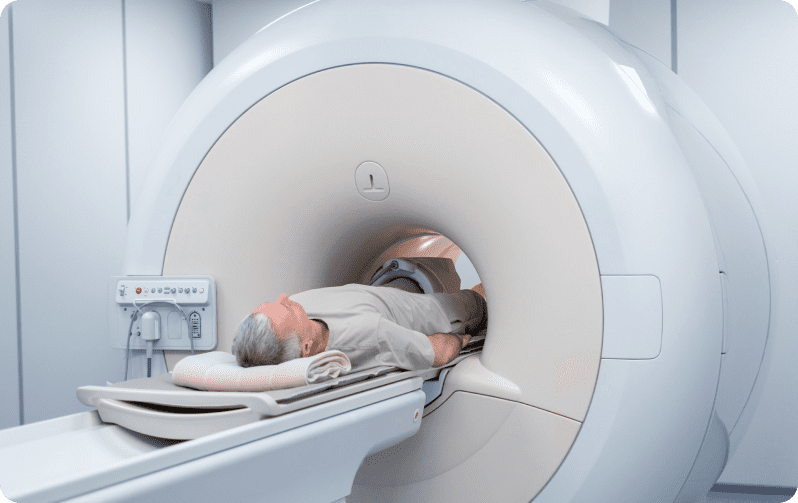
- MR angiography
- Catheter angiography
- Pulmonary function testing

Management & treatment of vascular & circulatory disorders
Effective management of vascular and circulatory diseases focuses on restoring healthy blood flow, reducing symptoms, and preventing complications like heart attack, stroke, or organ damage.
Lifestyle modifications
- Eating a balanced, low-sodium diet rich in fruits, vegetables, and whole grains
- Maintaining a healthy weight that reduces strain on the heart
- Quitting smoking, which accelerates vascular disease
- Managing stress, which can negatively affect blood pressure and overall heart health
Medications
- Antihypertensives for hypertension
- Blood thinners (anticoagulants) for preventing clot formation in DVT or embolism
- ACE inhibitors to manage high blood pressure
- Beta-blockers are used to treat a wide range of heart and circulatory problems
- Statins to manage cholesterol and reduce plaque buildup in arteries
- Vasodilators or specific therapies for pulmonary hypertension treatment
- Antiplatelet medications to prevent stroke in carotid artery disease
3. Minimally invasive procedures
- Angioplasty and stent placement to open narrowed arteries—commonly used in PAD treatment
- Endovascular repair for managing bulging or ruptured aortic aneurysms
- Carotid endarterectomy or carotid stenting to restore blood flow in carotid artery disease and reduce stroke risk
4. Long-term monitoring & hypertension treatment in Dubai
Ongoing care is crucial for managing chronic vascular conditions. Regular follow-ups help track progress and adjust treatment as needed.
Under Dr. Shaloob’s care, this may include:
- Blood pressure and heart rate
- Cholesterol levels and blood sugar monitoring
- Vascular imaging (like ultrasounds or CT scans) to evaluate blood flow and detect changes
With consistent, long-term management, patients can protect their health, lower future risks, and enhance their overall quality of life.
Meet Dr. Muhamed Shaloob – Best Doctor for High Blood Pressure in Dubai
With 12+ years of experience and 9,000+ procedures performed, Dr. Muhamed Shaloob offers expert care for hypertension, PAD, aortic aneurysms, pulmonary hypertension, and other vascular conditions, making him a preferred choice for those seeking the best Indian cardiologist in Dubai.
Known for his patient-focused approach and precise diagnostics, he provides tailored, minimally invasive treatments and long-term support to safeguard your heart and blood vessels.
Looking for accurate blood pressure diagnosis?
Visit our page on Ambulatory Blood Pressure Monitoring in Dubai to learn how continuous monitoring helps detect and manage hypertension effectively.
Take charge of your heart rhythm today.
FAQs
What is stage 2 hypertension?
Stage 2 hypertension happens when your blood pressure consistently measures 140/90 mmHg or higher. At this stage, there’s a significantly increased risk of heart attack, stroke, or kidney damage.
What is PAD cardiovascular disease?
PAD cardiovascular disease refers to the restricted blood flow caused by narrowed arteries in the limbs, often due to atherosclerosis. It may increase the risk of heart attack and stroke if not managed properly.
What is the best treatment for high blood pressure in Dubai?
The best high blood pressure treatment often combines lifestyle changes with medications like ACE inhibitors, beta-blockers, or diuretics. The approach depends on the stage of your hypertension and underlying health. For personalized care, consult a trusted doctor for hypertension.
How is peripheral artery disease (PAD) treated?
PAD treatment typically involves lifestyle modifications, blood-thinning medications, cholesterol control, and sometimes angioplasty or stenting. Early intervention for peripheral arteriopathy or PAD helps prevent ulcers, infections, and even limb loss.
Who should I consult for hypertension treatment in Dubai?
You should consult a specialist doctor for hypertension or a cardiologist experienced in managing complex blood pressure conditions. Dr. Muhamed Shaloob is widely regarded as one of the best doctors for high blood pressure in Dubai, offering advanced, evidence-based hypertension care.