
How to relieve chest tightness from anxiety
🚨 Studies show that up to 70% of people who experience a panic attack experience chest pain or tightness, making it one of the most common physical symptoms of anxiety. |
Chest tightness can be frightening, especially when it occurs suddenly, intensely, or without explanation. Many people immediately worry about their heart, yet in a significant number of cases, anxiety tightness in the chest is the real cause.
Understanding how to relieve chest tightness from anxiety starts with recognizing what’s happening in your body, learning how to calm anxiety chest tightness, and knowing when to seek medical reassurance.
What are the chest tightness anxiety symptoms, why anxiety causes chest pressure, and evidence-based treatment from expert cardiologist Dr. Muhamed Shaloob.
Is Chest Tightness a Sign of Anxiety?
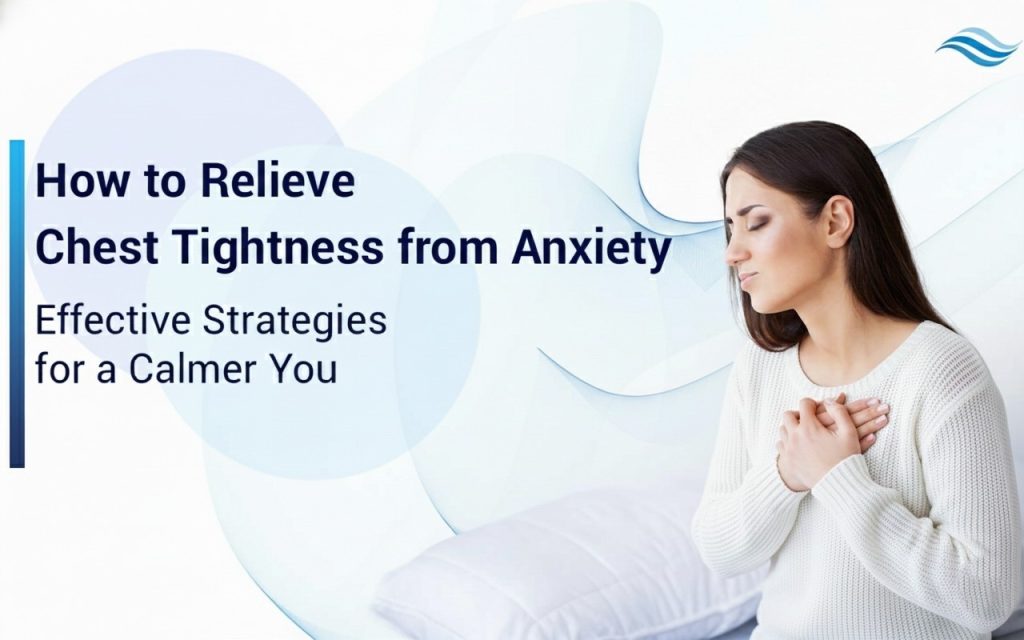
Yes, chest tightness is a sign of anxiety for many people. When anxiety triggers the body’s fight-or-flight response, chest muscles tighten, breathing becomes shallow, and the heart rate increases, often leading to a feeling of pressure or tightness in the chest.
How does it feel?
- You feel a squeezing or pressure-filled sensation.
- It’s difficult to take a full breath.
- Feel chest tightness after a panic attack.
- Chest tightness anxiety at night, when the mind is quieter and symptoms feel stronger
These symptoms chest tightness anxiety can feel alarming, but they are often not dangerous once heart causes are ruled out.
Why does Anxiety Cause Chest Tightness?
People often ask, why does anxiety cause chest tightness? The reasons include:
- Muscle tension around the chest and ribs
- Rapid or shallow breathing (hyperventilation)
- Heightened awareness of bodily sensations
- Stress hormones increase the workload on the heart and lungs.
Over time, stress chest tightness can feel persistent, leading many to wonder how long does anxiety chest tightness last or whether it will ever go away.
Difference Between Anxiety Chest Pain and Heart Pain
Understanding the difference between anxiety chest pain and heart pain is critical:
Symptoms | Anxiety chest pain | Cardiac Chest Pain or Heart attack |
Sensation | Sharp, tight, or dull ache | Heavy pressure or squeezing |
Duration | Minutes to hours; eases with calming | Persists; often with exertion |
Location | Localized, mid or left chest | May spread to the arm, jaw, and back |
Other Symptoms | Rapid breathing, dizziness, trembling | Shortness of breath, sweat, nausea |
If you experience new or severe chest pain, seek medical care immediately. Once serious heart conditions are excluded, learning how to get rid of chest pressure from anxiety becomes far easier.

How to Relieve Chest Tightness from Anxiety Fast - Tips for Quick Relief
If you’re wondering how to get rid of chest tightness fast anxiety, start with these immediate strategies:
1. Best Breathing Techniques for Chest Tightness
Slow and steady breathing can make a noticeable difference when anxiety causes chest tightness. It helps calm the nervous system and releases tension in the chest.
- Breathe in gently through your nose for a count of four.
- Pause briefly for two seconds.
- Breathe out slowly through your mouth for a count of six.
Practicing these breathing techniques for chest tightness allows the chest muscles to relax and helps your body regain a natural, balanced breathing rhythm.
2. Relax Chest Tightness From Anxiety With Muscle Release
Since muscle tension plays a big role in chest tightness, to loosen chest tightness from anxiety, gently relaxing these areas can bring fast relief.
- Shoulder rolls: Slowly roll your shoulders backward five times, then forward five times.
- Doorway stretch: Stand in a doorway, rest your forearms on the frame, and step forward slightly until you feel a gentle stretch in your chest. Hold for 20 to 30 seconds.
These simple movements reduce chest tightness from anxiety by releasing built-up muscle tension.
3. The 5-4-3-2-1 grounding technique
Simple grounding exercises
- Name five things you can see.
- Name four things you can feel (the chair beneath you, the fabric of your clothes).
- Name three things you can hear.
- Name two things you can smell.
- Name one thing you can taste.
The techniques quickly calm anxiety, chest tightness, and stop panic from escalating.
Figure out the Natural Ways to Relieve Anxiety Chest Tightness
For ongoing relief, combine physical and mental strategies:
- How to relieve stress chest tightness – daily walking, light yoga, or stretching
- How to reduce chest tightness from anxiety – limit caffeine and stimulants
- How to help chest tightness from anxiety – maintain regular sleep schedules.
- How to relax chest tightness from anxiety – guided meditation or mindfulness
These are proven ways to relieve anxiety chest tightness, and prevent frequent flare-ups.
Best Anxiety Chest Tightness Exercises
Targeted movement can significantly ease symptoms:
- Chest-opening stretches
- Shoulder rolls and neck mobility
- Gentle cardio to regulate breathing
These anxiety chest tightness exercises improve blood flow and signal safety to your nervous system.
How Long does Anxiety Chest Tightness Last?
Many people ask, Does anxiety chest tightness go away? The answer is yes, but the duration varies.
Some episodes last minutes, others hours, and in chronic anxiety, discomfort may come and go for weeks.
With the right approach, most people learn how to ease chest tightness anxiety effectively and prevent recurrence.
How to Prevent Anxiety Chest Tightness
Preventing chest tightness from anxiety starts with calming the nervous system over time:
- Notice and manage personal anxiety triggers
- Practice slow breathing exercises daily
- Use cognitive-behavioral techniques to reframe anxious thoughts
- Limit constant checking or monitoring of symptoms
Learning how to stop chest tightness anxiety naturally is less about quick fixes and more about staying consistent with healthy habits.
When Should You Consult a Cardiologist for Chest Pain?
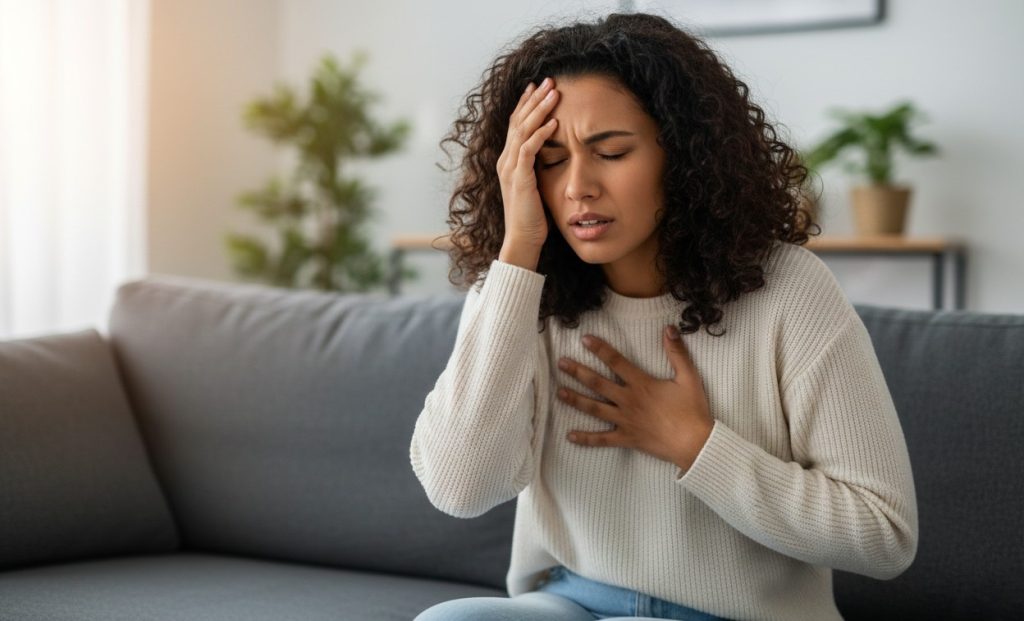
Although anxiety is a common cause, ongoing or unexplained chest symptoms should never be ignored.
Issues such as high blood pressure, heart rhythm problems, or coronary disease can sometimes mimic anxiety-related discomfort. In such cases, expert cardiology care from Dr. Muhamed Shaloob helps identify the underlying cause and provides reassurance and peace of mind.
How Expert Cardiology Care Helps You Relieve Chest Tightness From Anxiety
Advanced Diagnostics & Compassionate Care from Dr. Muhamed Shaloob
- Widely recognized as one of the best cardiologists in Dubai and a trusted Indian cardiologist in Dubai
- Brings 12+ years of specialized cardiology experience
- Has performed 9,000+ cardiac interventions, including complex procedures
- Personally interprets every ECG, echocardiogram, stress test, and advanced cardiac scan
- Uses world-class GE Healthcare imaging systems for precise, reliable results
- Delivers clear, calm explanations, focused on accuracy without unnecessary panic
Your heart deserves clarity - Consult Dr. Muhamed Shaloob
If you’re struggling with how to relieve tightness in chest from anxiety and want reassurance about your heart health, consulting Dr. Shaloob can make a real difference.
His calm approach to concerns and personalized guidance ensures a clear difference between anxiety chest pain and heart pain.
FAQs About Anxiety Chest Tightness
How to stop anxiety chest tightness quickly?
To alleviate chest tightness associated with anxiety, focus on slow, deep breathing, relax your shoulders and chest muscles, and shift your attention away from anxious thoughts.
Is chest tightness a sign of anxiety?
Yes. Chest tightness anxiety symptoms are common during stress, panic, or ongoing anxiety.
How long does anxiety chest tightness last?
It can last minutes to hours, but with treatment and coping strategies, episodes become shorter and less intense.
How to relieve anxiety in the chest naturally?
You can alleviate chest anxiety by practicing deep breathing, gentle stretching, and grounding techniques.
Can anxiety chest tightness feel like heart pain?
Yes, which is why ruling out heart conditions is essential before attributing symptoms to anxiety.
How do I stop chest tightness from anxiety fast?
Use slow breathing, grounding exercises, and gentle stretching to calm anxiety chest tightness quickly.
What makes anxiety chest tightness worse?
Caffeine, lack of sleep, constant worry, and hyper-focusing on symptoms can intensify chest tightness.
Does anxiety chest tightness go away on its own?
Often yes, especially with proper management.
How to get rid of chest tightness from anxiety long-term?
Combine lifestyle changes, therapy, and medical reassurance.
How to loosen chest tightness from anxiety?
To loosen chest tightness from anxiety, try chest-opening stretches, shoulder rolls, and steady breathing. These relax tense muscles and improve airflow.
Is chest tightness after a panic attack normal?
Yes, chest tightness after a panic attack is common and can linger for a short time. If it is frequent or severe, a medical evaluation helps rule out heart-related causes and provides reassurance.