Heart Valve Disease Treatment in Dubai | Valvular Heart Disease Treatment Dubai
Services
Conditions Treated
- Coronary Artery & Ischemic Heart Disease
- Heart Failure (Left & Right)
- Heart Rhythm Disorders (Arrhythmias)
- Valvular Heart Disease
- Vascular & Circulatory Disorders
- Adult Congenital Heart Conditions
- Lipid & Metabolic Heart Disease
- Inflammatory & Infectious Heart Diseases
- Genetic & Rare Cardiac Syndromes
Heart valve disease occurs when one or more of the heart’s four valves fail to function properly—either by not opening fully or not closing completely.
These abnormalities disrupt normal blood flow, making the heart work harder and causing breathlessness, fatigue, or even heart failure.
For those seeking heart valve disease treatment in Dubai, Dr. Muhamed Shaloob, a leading heart valve specialist, offers advanced, evidence-based solutions tailored to each patient’s unique condition. Dr. Shaloob also provides expert valvular heart disease treatment Dubai and comprehensive care for heart valve disease Dubai, ensuring optimal outcomes and long-term heart health. As a leading consultant cardiologist in Dubai, he specializes in diagnosing and managing valve problems, ensuring optimal outcomes and long-term heart health.
Types of valvular heart disease
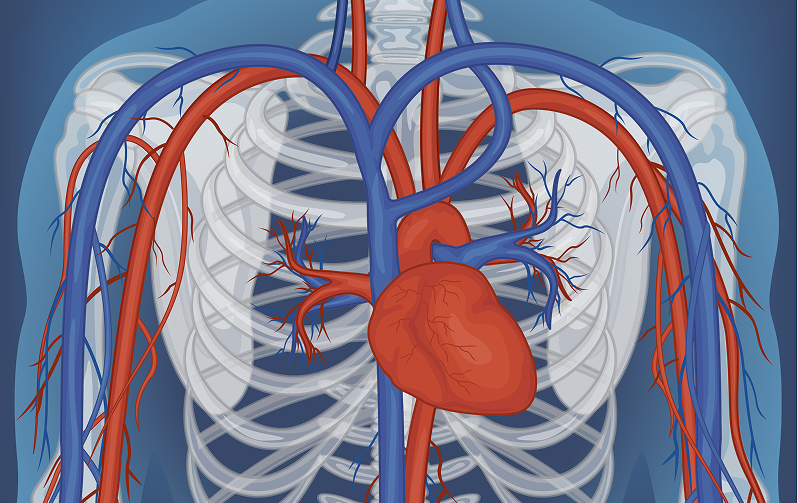
There are 4 valves of the heart — aortic, mitral, tricuspid, and pulmonary — and each can be affected by disease in different ways.
Here are the main types of valvular heart disease:
- Aortic valve disease: This affects the valve between the heart and the main artery (aorta). It can become too narrow (aortic stenosis) or leaky (aortic regurgitation), causing chest pain and shortness of breath.
- Mitral valve disease: Located between the heart's upper and lower left chambers, problems like mitral valve prolapse or leakage can lead to tiredness, irregular heartbeat, and fluid buildup in the lungs.
- Tricuspid valve disease: This valve sits between the right upper and lower chambers. When it doesn't close properly, it can cause swelling in the legs, liver problems, and reduced energy levels.
- Pulmonary valve disease: Found between the heart and the lungs, this valve may be too tight or leaky—often from birth—leading to breathlessness or a bluish tint to the skin in serious cases.
Causes of valvular heart disease
Heart valve disease may be either congenital or acquired. Congenital valve disease develops before birth as the heart forms, while acquired valve disease occurs later in life due to various health conditions or lifestyle factors.
Causes of acquired heart valve disease can include:
- Existing heart conditions such as heart attack, cardiomyopathy, aortic aneurysm, or coronary artery disease
- Age-related wear and tear on the valves
- Rheumatic heart disease caused by untreated fever or other infections
- Infective endocarditis, which causes inflammation of the heart's inner lining
- High blood pressure or hypertension
- Lupus, a chronic autoimmune disorder
Common valvular heart disease symptoms to look for
Many individuals live with mild heart valve disease symptoms without realizing it. In the early stages, they may not cause noticeable issues.
However, as the condition progresses, the signs of heart valve problems become more apparent and may include:
- Shortness of breath, especially during any physical activity
- Fatigue and reduced ability to exercise
- Chest pain or tightness
- Dizziness or fainting spells
- Palpitations or irregular heartbeat
- Headaches and coughing
- Swelling in the ankles, feet, or abdomen
If you’re experiencing any of these symptoms of heart valve problems, it’s important to seek medical attention.
Advanced diagnosis and testing for valvular heart disease
Dr. Muhamed Shaloob performs a thorough evaluation using diagnostic tools, including:
- An echocardiogram is used to assess heart valve structure and function.
- An electrocardiogram (ECG) to detect any irregular heart rhythms.
- CT angiography to visualize heart anatomy and valve defects.
- Cardiac MRI for detailed imaging of heart valves and chambers.
- Stress testing to evaluate heart function during exertion.
- Cardiac catheterization to closely examine the type and severity of valve disease.
These tools help determine the type, location, and severity of valve dysfunction and guide the right treatment for heart valve disease in Dubai.
Heart valve disease treatment in Dubai
Dr. Shaloob provides comprehensive heart valve disease treatment in Dubai, including lifestyle modification, medication, valvular heart disease treatment Dubai, balloon valvuloplasty, valve repair, and replacement procedures for all types of heart valve disease Dubai:
Lifestyle changes to support heart valve health
- Eat a heart-healthy diet rich in fruits, vegetables, whole grains, lean proteins, and low in sodium and saturated fats
- Stay physically active with moderate exercise like walking or swimming
- Manage blood pressure and cholesterol
- Quit smoking
- Limit alcohol intake to maintain heart function
- Maintain a healthy weight
- Manage stress and get good sleep through relaxation techniques
- Diuretics to reduce fluid overload
- Beta-blockers or calcium channel blockers to regulate heart rate and rhythm
- Anticoagulants to prevent blood clot formation
- Vasodilators to ease blood flow and reduce strain on the heart
- Medications to manage associated conditions like hypertension or heart failure
Minimally invasive procedures and surgical options
- Balloon valvuloplasty: This minimally invasive procedure involves inserting a catheter with a small balloon into the narrowed heart valve—typically used for conditions like aortic or pulmonary stenosis. Once the size of the valve opening is increased, the balloon is removed.
- Valve repair or replacement: Damaged valves are repaired or replaced using artificial valves (prosthetic valves), animal tissue (bioprosthetic valves), or the patient's own tissue. The type of valve replacement used usually depends on factors like the patient's condition, age, and the specific valve affected.
Dr. Muhamed Shaloob – A trusted expert in heart valve disease treatment in Dubai
With over 12 years of clinical experience and more than 9000+ successful cardiac interventions, Dr. Muhamed Shaloob stands out as a leading Heart specialist in dubai and heart valve disease treatment in Dubai. His expertise in diagnosing and managing complex valvular conditions—combined with a compassionate, patient-centered approach—ensures accurate care plans tailored to every stage of the disease.
Whether it’s early-stage management or advanced surgical coordination, Dr. Shaloob offers evidence-based care to preserve heart function and improve quality of life — a standard that has earned him recognition as one of the best cardiologists in Dubai.
Don’t wait to take control of your heart health.
FAQ’S
How does heart valve disease affect the body?
Heart valve disease disrupts the normal flow of blood through the heart by preventing valves from opening or closing properly. If left untreated, this can cause the heart to work harder, leading to symptoms like fatigue, breathlessness, fluid retention, and eventually heart failure.
What is the treatment for heart valve disease without surgery?
In less severe cases or in patients who are not good surgical candidates, heart valve disease treatment in Dubai without surgery may involve medications to manage heart valve symptoms and lifestyle changes to prevent further progression.
What is rheumatic heart disease?
Rheumatic heart disease is long-term damage to the heart valves caused by rheumatic fever, which may follow untreated strep throat or scarlet fever. It is a leading cause of valve damage in many developing countries.
How long can you live with rheumatic heart disease?
With proper treatment—including medications, valve monitoring, or surgical repair—many individuals with rheumatic heart disease can live long and active lives. Early diagnosis and adherence to medical care are key to improving life expectancy.
What are the symptoms of heart valve problems?
Heart valve symptoms may include shortness of breath, chest pain, fatigue, palpitations, dizziness, swelling in the legs or abdomen, and reduced ability to exercise. If the condition progresses, these symptoms may worsen over time.
Who is a heart valve specialist?
A heart valve specialist is typically a cardiologist with experience in diagnosing and treating valve disorders. In advanced cases, a cardiac surgeon may be involved in performing valve repair or replacement.
Can heart valve disease be prevented?
While congenital valve problems can’t be prevented, acquired valve disease can often be reduced by managing risk factors—such as high blood pressure, cholesterol, infections, and avoiding rheumatic fever through early treatment of strep throat.
Can heart valve disease be cured?
While not always “cured,” it can be effectively managed or corrected through surgery or minimally invasive procedures. With proper care, many patients go on to live healthy lives.
What treatment options are available for heart valve disease?
Treatment options include medication, lifestyle changes, and surgeries like balloon valvuloplasty and valve repair or replacement. Dr. Shaloob provides advanced and customized heart valve disease treatment in Dubai based on each patient’s condition.