Can You Die From Heart Failure in Your Sleep? Causes, Warning Signs & Risk Factors (2026 Guide)
Dying of Heart Failure in Your Sleep — Causes, Symptoms & Prevention
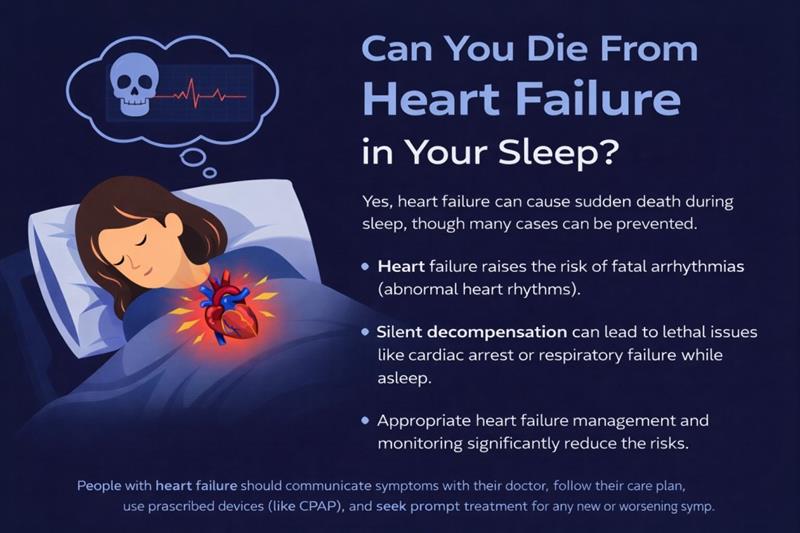
The thought of dying in your sleep is a paradox of human emotion. For some, it represents the most peaceful conclusion to a long life; for others, it is a source of profound nocturnal anxiety. When patients ask, “Can you die from heart failure in your sleep?” they are often seeking to understand the boundary between a natural death during sleep and a preventable medical tragedy.
While the majority of people who experience nocturnal death do so due to the culmination of chronic conditions, specific cardiac events—such as a heart attack while sleeping, cardiac arrest in sleep, or the silent progression of congestive heart failure—can cause a sudden and unexpected death in sleep.
In this pillar guide, we draw upon the clinical expertise of Dr. Muhamed Shaloob, a leading cardiologist in Dubai with over 12+ years of experience, to demystify the causes of sudden death in sleep and provide actionable steps for prevention.
How Common Is It to Die in Your Sleep?
When investigating how common is it to die in your sleep, statistics suggest that a significant percentage of people who die in their sleep do so due to cardiovascular issues. Studies in forensic pathology indicate that for individuals over the age of 50, heart-related complications are the leading cause of nocturnal death.
The Most Common Hour of Death
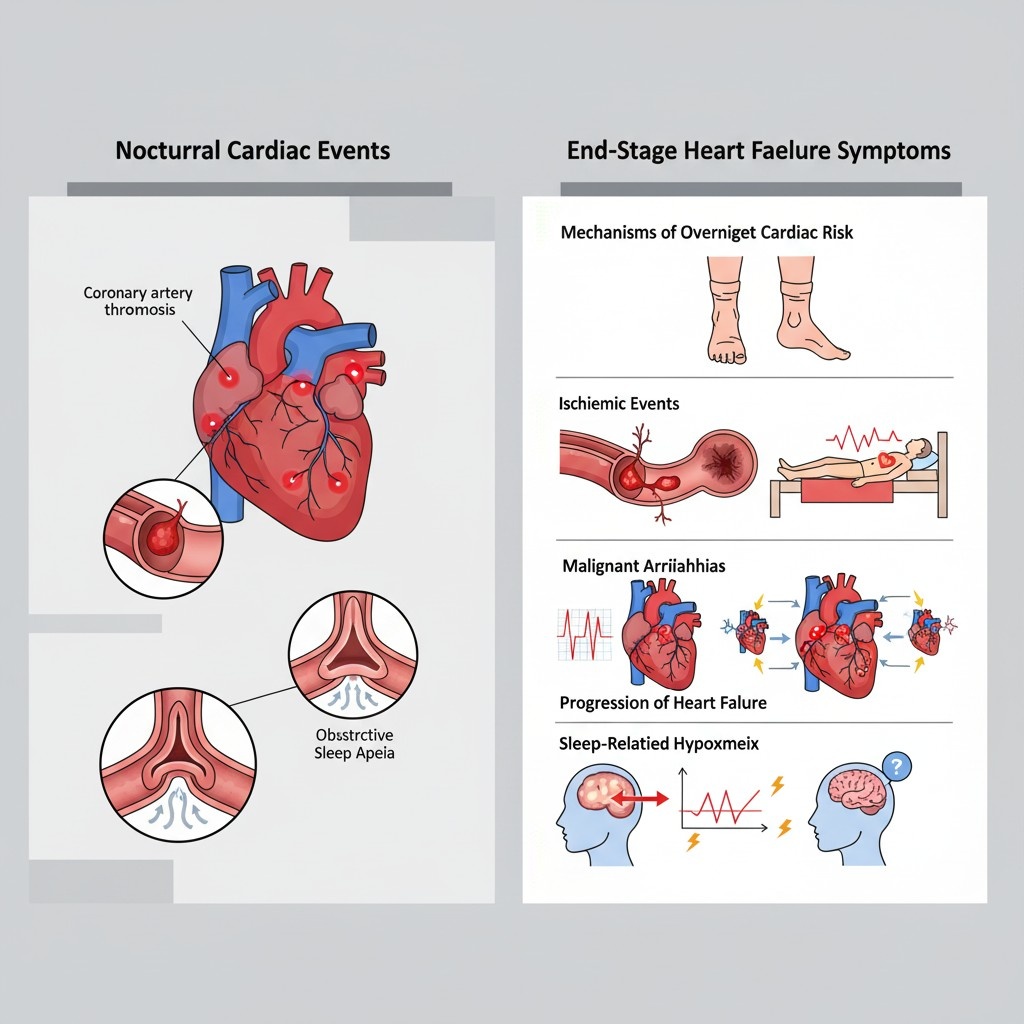
Interestingly, medical data often points to a specific window of vulnerability. The most common hour of death for cardiac events is frequently between 4:00 AM and 6:00 AM. This is due to the body’s circadian rhythm, which triggers a surge in adrenaline and a rise in blood pressure just before waking, potentially stressing a vulnerable heart.
Sudden Death Meaning
In a clinical context, sudden death meaning refers to a natural, unexpected death occurring within one hour of the onset of symptoms, or in the case of sleep, a death where the individual was seen healthy shortly before retiring.
Heart-Related Causes of Death During Sleep
The heart is the engine of the body, and like any engine, it can fail due to mechanical blockages or electrical malfunctions. Here is how dying of heart failure in your sleep typically occurs.
1. Heart Attack in Sleep (Myocardial Infarction)
Can you have a heart attack while sleeping? Yes. A heart attack in your sleep occurs when a blood clot (coronary artery thrombosis) blocks blood flow to the heart muscle.
Symptoms: While you may not “wake up” to the pain, a heart attack while sleeping symptoms can include breaking into a cold sweat, labored breathing, or sudden restlessness.
Can a heart attack kill you in your sleep? Yes, if the damage to the muscle is extensive enough to stop the heart from pumping effectively.
2. Cardiac Arrest in Sleep (Electrical Failure)
Many people confuse a heart attack with a cardiac arrest. A cardiac arrest while sleeping is an electrical problem where the heart suddenly stops beating due to a “malignant arrhythmia” like ventricular fibrillation. Unlike a heart attack, which is a “plumbing” issue, cardiac arrest during sleep is a “power” failure.
3. Congestive Heart Failure (CHF)
Dying of heart failure in your sleep is often the result of the heart becoming too weak to circulate blood. In end-stage heart failure, fluid can back up into the lungs (pulmonary edema), making it impossible for the patient to breathe while lying flat.
The Role of Sleep Apnea in Nocturnal Death
One of the most significant and often overlooked risk factors is Obstructive Sleep Apnea (OSA). Can you die in your sleep from sleep apnea? While the apnea event itself rarely kills you instantly, the strain it puts on the heart is immense.
The Mechanism: When you stop breathing, your oxygen levels plummet. Your brain panics, releasing a surge of adrenaline to wake you up. This spike in blood pressure and heart rate, occurring dozens of times an hour, can trigger a cardiac arrest in sleep.
Sleep Apnea Death Symptoms: Frequent loud snoring, gasping for air at night, and excessive daytime sleepiness are major red flags.
How fast can sleep apnea kill you? It is usually a “slow killer” that weakens the heart over years, though it can trigger a fatal arrhythmia at any time.
Other Medical Causes of Death in Sleep
While the heart is the primary culprit, other systems can fail overnight, leading to nocturnal death.
Stroke and Brain Hemorrhage
Can you die from a stroke in your sleep? Yes. A brain hemorrhage death in sleep occurs when a weakened blood vessel in the brain bursts, often due to uncontrolled high blood pressure. Unlike a heart attack, a stroke may be completely silent.
Respiratory Failure (COPD)
Can COPD kill you in your sleep? For those with advanced lung disease, the natural dip in breathing depth during REM sleep can cause oxygen levels to drop to lethal levels.
Blood Sugar Extremes (Diabetes)
Can diabetes kill you in your sleep? Both high and low blood sugar are dangerous.
Hypoglycemia: Can you die from low blood sugar in your sleep? Yes. Known as “Dead in Bed Syndrome,” a severe drop in glucose can trigger a fatal heart rhythm.
Hyperglycemia: Conversely, can you die from high blood sugar in your sleep? Yes, through a complication called Diabetic Ketoacidosis (DKA).
Blood Pressure Volatility
Can high blood pressure kill you in your sleep? It is a leading cause of nocturnal stroke and heart failure.
Can you die in your sleep from low blood pressure? While less common, profound hypotension can lead to organ failure in those with existing heart conditions.
Warning Signs & Risk Factors
Understanding why do people die in their sleep involves looking at the warning signs that often appear days or weeks before the event.
Red Flags to Watch For:
Paroxysmal Nocturnal Dyspnea: Waking up suddenly gasping for air as if you are suffocating.
Orthopnea: Needing to prop yourself up on three or more pillows to breathe comfortably.
Nocturnal Chest Discomfort: Feeling a “tightness” in the chest that wakes you up.
Edema: Significant swelling in the ankles and legs, indicating the heart is struggling to pump fluid.
Comparison of Risks: Cardiac Arrest vs. Heart Attack in Sleep
Feature | Heart Attack in Sleep | Cardiac Arrest in Sleep |
Primary Cause | Blocked Artery (Plumbing) | Arrhythmia (Electrical) |
Warning Signs | Nausea, Cold Sweat, Chest Pressure | Often None (Sudden) |
Survival | Higher if patient wakes/gets help | Very Low without AED/CPR |
Risk Factors | Smoking, High Cholesterol | Prior Heart Attack, Genetic |
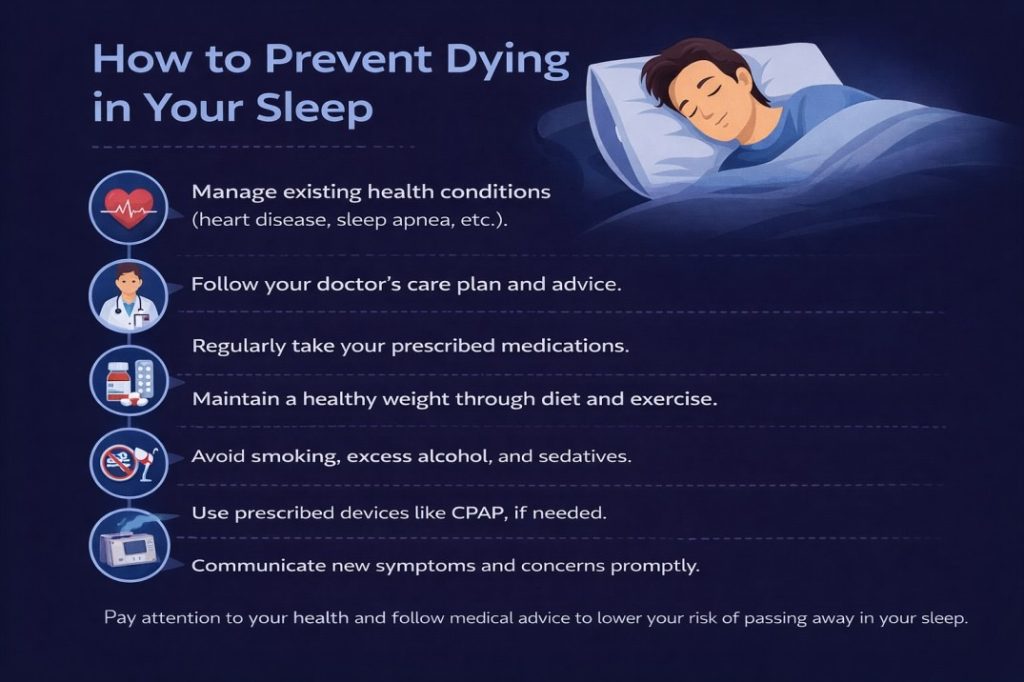
How to Prevent Dying in Your Sleep
The chances of dying in your sleep can be significantly reduced through proactive cardiovascular management. Dr. Muhamed Shaloob emphasizes that “prevention is the best prescription.”
1. Optimize Heart Failure Therapy
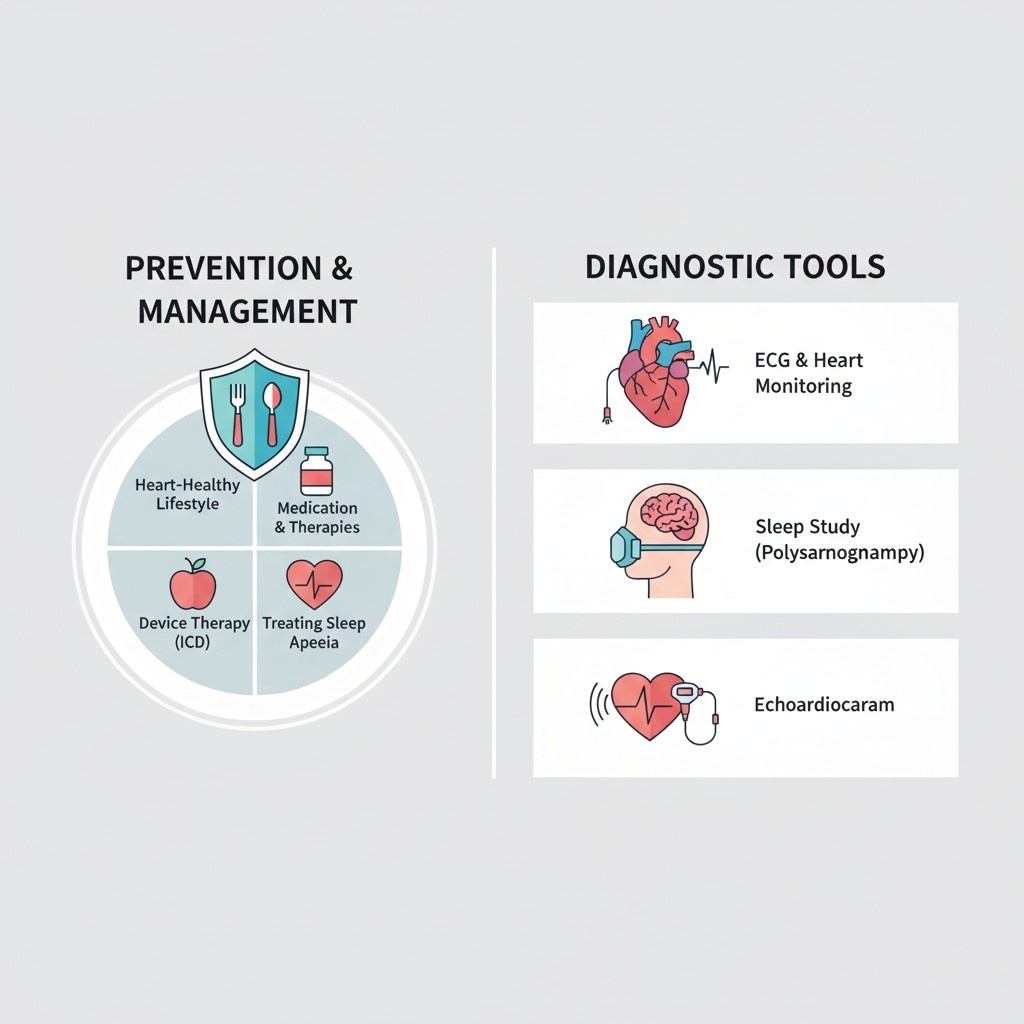
If you have been diagnosed with congestive heart failure, adhering to “Guideline-Directed Medical Therapy” (GDMT) is essential. This includes Beta-blockers, ACE inhibitors, and SGLT2 inhibitors which stabilize the heart’s rhythm and fluid balance.
2. Manage Sleep Apnea
If you snore or stop breathing, get a sleep study. Using a CPAP machine reduces the risk of cardiac arrest while sleeping by keeping oxygen levels stable.
3. Blood Pressure and Sugar Control
Ensuring your BP is controlled before bed prevents the “morning surge” that leads to strokes. For diabetics, continuous glucose monitors (CGM) with nocturnal alarms can prevent death from low blood sugar.
4. Device Therapy
For those at high risk of sudden death in sleep, an Implantable Cardioverter Defibrillator (ICD) can be a literal lifesaver. It monitors the heart 24/7 and delivers a shock if a cardiac arrest during sleep occurs.
Trust Dr. Shaloob for expert care — Precise diagnostics & compassionate prevention
Waking up to the fear of dying of heart failure in your sleep is heavy, but you don’t have to carry that burden alone. Understanding the triggers—from sleep apnea to coronary artery thrombosis—is the first step toward a longer, safer life.
Dr. Muhamed Shaloob—recognized as a top cardiologist in Dubai—specializes in identifying these silent risks before they become emergencies. Whether you need a comprehensive sleep-cardiac evaluation, management for congestive heart failure, or advanced intervention for arrhythmias, his patient-centered approach ensures you can rest easy.
Don’t let the fear of a heart attack in sleep keep you awake—protect your heart.
Medical Disclaimer: This content is for educational purposes only and does not constitute medical advice. If you or someone you know is experiencing chest pain, severe shortness of breath, or sudden fainting, seek emergency medical care immediately.
Medically reviewed by Dr. Muhamed Shaloob, a leading cardiologist in Dubai.
FAQ - Your Questions Answered
1. Why do people die in their sleep?
Most commonly due to heart failure, cardiac arrest, stroke, or severe respiratory failure where the body’s “automatic” breathing and heart functions cease.
2. Can you feel yourself dying in your sleep?
In many cases of death in sleep, the individual remains unconscious throughout the event. However, in cases of heart failure, one might wake up briefly feeling short of breath.
3. What causes someone to die in their sleep suddenly?
Usually a “malignant arrhythmia”—a sudden electrical storm in the heart that stops it from pumping blood to the brain.
4. Can high blood pressure kill you in your sleep?
Yes, primarily by causing a nocturnal stroke or triggering acute heart failure.
5. How can I stop worrying about dying in my sleep?
The best way to reduce anxiety is through a formal cardiac screening. Knowing your heart function (Ejection Fraction) and rhythm is healthy can provide immense peace of mind.
6. Do people die in their sleep from old age?
Old age” isn’t a medical cause; it usually means the heart or lungs gradually stopped due to the natural slowing of all systems.
7. Can a blood clot kill you in your sleep?
Yes, if a clot travels to the lungs (Pulmonary Embolism) or blocks a heart artery, it can be fatal within minutes.