
Heart Arrhythmia Treatment Dubai | Cardiac Arrhythmia Dubai
Services
Conditions Treated
- Coronary Artery & Ischemic Heart Disease
- Heart Failure (Left & Right)
- Heart Rhythm Disorders (Arrhythmias)
- Valvular Heart Disease
- Vascular & Circulatory Disorders
- Adult Congenital Heart Conditions
- Lipid & Metabolic Heart Disease
- Inflammatory & Infectious Heart Diseases
- Genetic & Rare Cardiac Syndromes
Dr. Muhamed Shaloob, a leading cardiologist in Dubai, provides expert Arrhythmia Treatment Dubai and Cardiac Arrhythmia Dubai care. He ensures your heart’s rhythm stays healthy, preventing complications from irregular heartbeats.
Your heart’s rhythm is a precise orchestration, and when it falters, it can lead to a range of concerns, from minor palpitations to life-threatening conditions. We specialize in the diagnosis and advanced arrhythmia treatment Dubai for all types of Cardiac Arrhythmia Dubai, ensuring that your heart’s rhythm remains in perfect sync.
What are heart rhythm disorders (Arrhythmias)?
A cardiac arrhythmia occurs when your heart’s natural electrical impulses are irregular, leading to a beat that’s too fast, too slow, or erratic.
Essentially, arrhythmia refers to any deviation from a normal heart rhythm. These disruptions can affect the heart’s ability to pump blood effectively, potentially impacting vital organs.
Common causes of arrhythmias:
- Underlying cardiovascular conditions such as valve disorders, coronary artery disease, or cardiomyopathy.
- High blood pressure.
- Electrolyte imbalances (e.g., in sodium or potassium levels).
- Heart damage from a previous heart attack or surgery.
- Certain medical conditions or medications.
Recognizing the symptoms:
While some arrhythmias may be silent, many manifest with noticeable symptoms, including:
- Palpitations: A feeling of skipped heartbeats, a fluttering sensation, or a pounding in the chest.
- Chest discomfort or aches.
- Dizziness or light-headedness, sometimes leading to syncope (fainting spells).
- Shortness of breath.
- Weakness or persistent fatigue.
- Sweating
If you experience any of these symptoms, it is crucial to seek prompt medical evaluation.
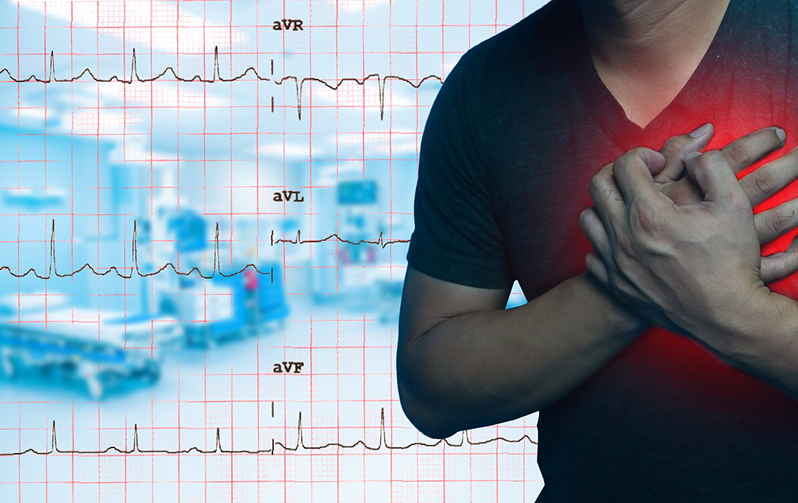
Comprehensive care for various heart rhythm conditions
Dr. Muhamed Shaloob provides expert care for a broad spectrum of heart rhythm disorders, including:
- Heart rhythm disorders (Arrhythmias): The overarching term for all irregular heartbeats, which can be broadly classified as tachycardias (too fast) or bradycardias (too slow).
- Atrial fibrillation & flutter: A common irregular and rapid heart rate, Atrial fibrillation (AFib), carries the risk of forming blood clots in the heart. Atrial flutter is similar but typically involves a more organized, still rapid, electrical activity in the atria.
- Diagnosis often involves an atrial fibrillation ECG showing characteristic irregular patterns. For atrial fibrillation treatment, options range from medications to procedures like cardiac ablation.
- Supraventricular tachycardia (SVT): This rapid heart rhythm originates above the ventricles. Patients often experience sudden episodes of fast, pounding heartbeats.
- Supraventricular tachycardia ECG shows distinct patterns of rapid heart rate. Supraventricular tachycardia treatment often includes vagal maneuvers, medications, or catheter ablation.
- Ventricular fibrillation: This is a life-threatening cardiac arrhythmia where the heart's ventricles quiver uselessly instead of pumping blood, leading to sudden cardiac arrest.
- A ventricular fibrillation ECG will show erratic, disorganized electrical activity. Immediate defibrillation is the primary ventricular fibrillation treatment.
- Bradycardia: Bradycardia refers to an unusually slow heart rate (under 60 beats per minute), potentially leading to insufficient blood supply for the body's requirements.
- Bradycardia treatment may involve lifestyle changes, medications, or pacemaker implantation if severe.
- Heart block: Slow or skipped heartbeats result from a condition where the heart's electrical signals are blocked, either completely or partially.
- Long QT & short QT syndromes: Genetic heart rhythm disorders, they lead to rapid, chaotic heartbeats which can cause fainting or sudden cardiac arrest.
- Wolff-parkinson-white (WPW) syndrome: This condition is characterized by an accessory electrical pathway connecting the atria and ventricles, resulting in rapid heartbeats.
- Palpitations & syncope: While symptoms themselves, persistent palpitations (awareness of your heartbeat) or recurrent syncope (fainting) are key indicators of an underlying arrhythmia that requires investigation.
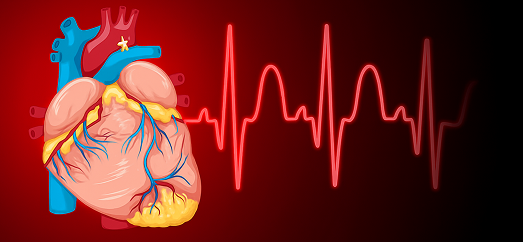
Accurate diagnosis for effective heart arrhythmia treatment Dubai
Precise diagnosis is the cornerstone of effective heart arrhythmia treatment Dubai. Dr. Muhamed Shaloob utilizes state-of-the-art diagnostic tools to identify the exact nature of your heart rhythm disorder:
- Physical examination: A thorough pulse check and listen to your heart.
- Electrocardiogram (ECG or EKG): Crucial for identifying irregular heartbeats and specific arrhythmia patterns (such as atrial fibrillation ECG or supraventricular tachycardia ECG), it's a fundamental test recording your heart's electrical activity.
- Holter monitoring: A portable device worn for 24-48 hours (or longer) to continuously record your heart's electrical activity during your daily routine, capturing intermittent arrhythmias.
- Ambulatory BP monitoring: Measures blood pressure over a period, which can be relevant in assessing overall cardiovascular health, impacting arrhythmias.
- 2D echo (Adult and pediatric) & TEE: Imaging tests to visualize heart structure and function, helping identify underlying causes.
Advanced heart arrhythmia treatment options
Once accurately diagnosed, Dr. Muhamed Shaloob develops a personalized arrhythmia treatment plan tailored to your specific condition, severity, and overall health. His expertise covers a wide range of cutting-edge interventions:
- Oral medications: Various anti-arrhythmic drugs can help control heart rate and rhythm.
- Catheter ablation: A minimally invasive procedure (like cardiac ablation for atrial fibrillation or catheter ablation for SVT) where tiny scars are created in the heart to block abnormal electrical pathways causing the arrhythmia.
- Pacemaker implantation: For slow heart rates (e.g., bradycardia treatment), a small device is implanted to send electrical impulses to keep the heart beating normally. Dr. Muhamed Shaloob has extensive experience in permanent pacemaker implantation.
- Implantable cardioverter-defibrillator (ICD) implantation: For dangerous rapid arrhythmias like ventricular fibrillation, an ICD can detect the abnormal rhythm and deliver an electrical shock to restore a normal heartbeat. Dr. Muhamed Shaloob is skilled in ICD implantation.
- Cardiac resynchronization therapy (CRT): A specialized pacemaker that helps synchronize the beating of the heart's ventricles, often used for heart failure patients with specific arrhythmias.
- Complex angioplasties & coronary/peripheral interventions: Dr. Muhamed Shaloob's expertise in these areas ensures that underlying structural heart issues contributing to arrhythmias are comprehensively addressed.
Why choose Dr. Muhamed Shaloob for your heart health in Dubai?
When it comes to your heart’s health, experience and expertise matter immensely. Dr. Muhamed Shaloob is widely recognized as a top cardiologist in Dubai, with a profound specialization in complex cardiac interventions and arrhythmia management.
His impressive track record, including over 9,000 individual coronary and peripheral interventions, including pacemaker, CRT and ICD implantations, clearly demonstrates his skill and dedication.
Dr. Muhamed Shaloob is adept with advanced procedures and is known for his compassionate approach. He ensures that patients are well-informed about their conditions and treatment options.
For heart arrhythmia treatment in Dubai, his dedication to comprehensive, evidence-based care makes him a highly trusted expert. Book an appointment now.
FAQ’S
What is arrhythmia?
Arrhythmia refers to any irregular heartbeat. It means your heart is beating too fast (tachycardia), too slow (bradycardia), or with an irregular rhythm, due to problems with its electrical signals.
How do I cure my arrhythmia?
While some arrhythmias can be “cured” (e.g., through procedures like ablation), many are managed through ongoing treatment. “Curing” depends on the specific type and cause of the arrhythmia.
Dr. Muhamed Shaloob can determine the most effective arrhythmia treatment for your condition, which may involve medications, lifestyle changes, or procedures.
How do atrial fibrillation and arrhythmia differ from each other?
Arrhythmia is a broad term for any abnormal heart rhythm. Atrial fibrillation is a specific type of arrhythmia, characterized by a rapid and irregular beating of the heart’s upper chambers (atria).
So, while all atrial fibrillation is an arrhythmia, not all arrhythmias are atrial fibrillation.
What is the treatment for heart arrhythmia?
The heart arrhythmia treatment varies greatly depending on the specific type, severity, and underlying cause.
Options include lifestyle modifications, oral medications, procedures like catheter ablation, and device implantations such as pacemakers or implantable cardioverter-defibrillators (ICDs). Dr. Muhamed Shaloob will recommend a personalized treatment plan.